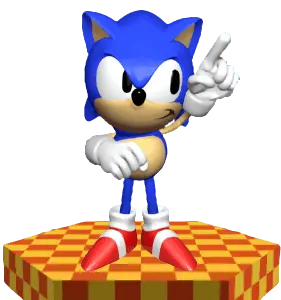
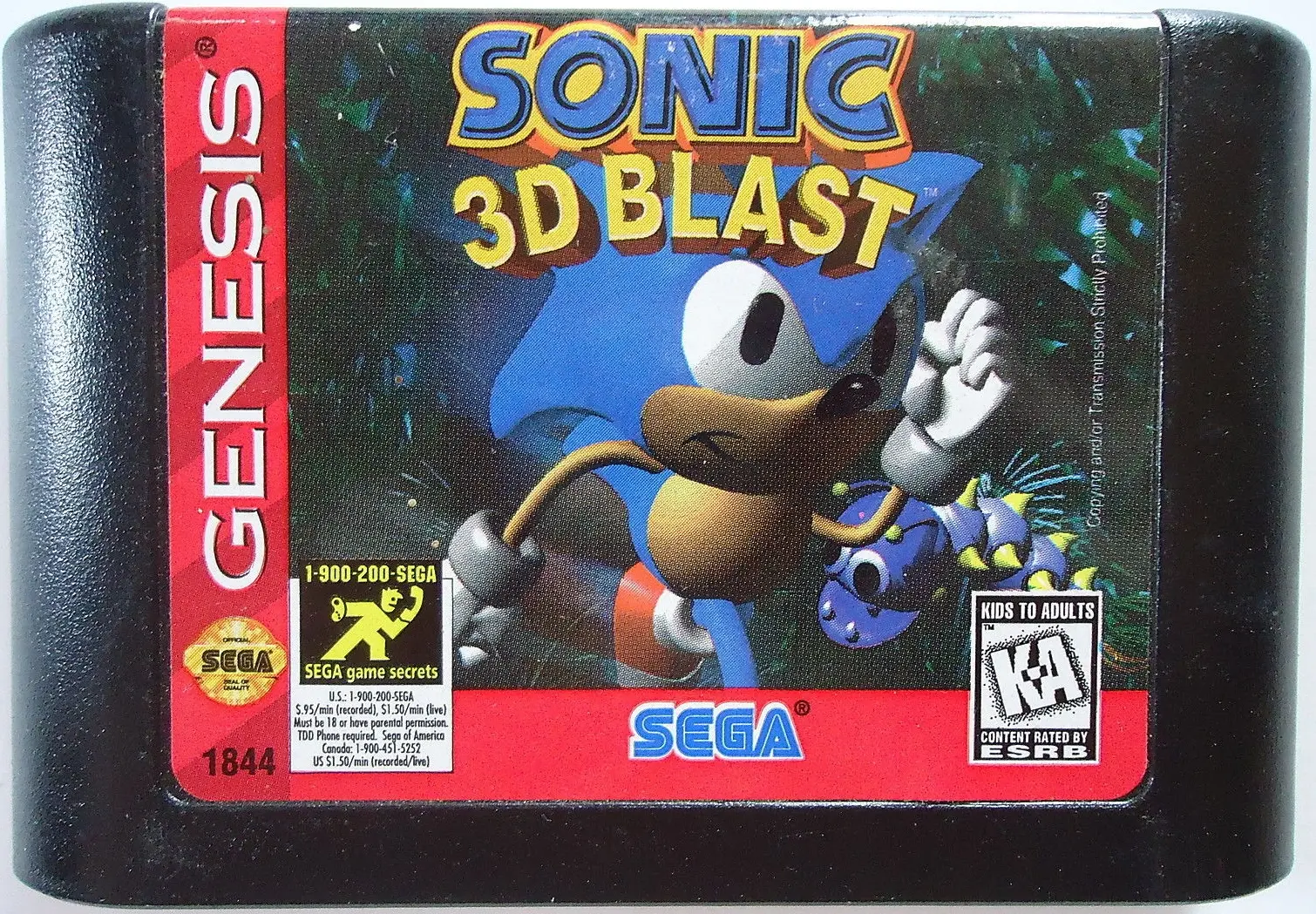
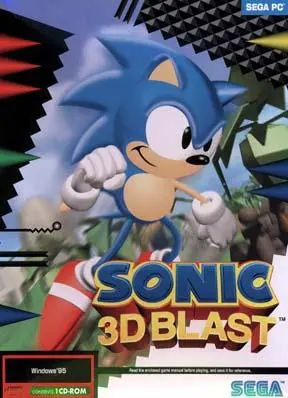
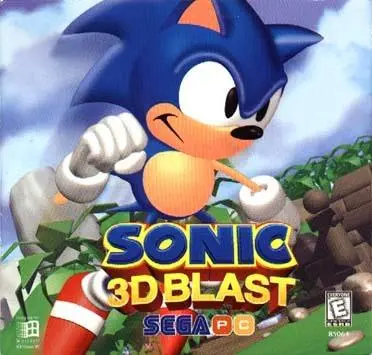
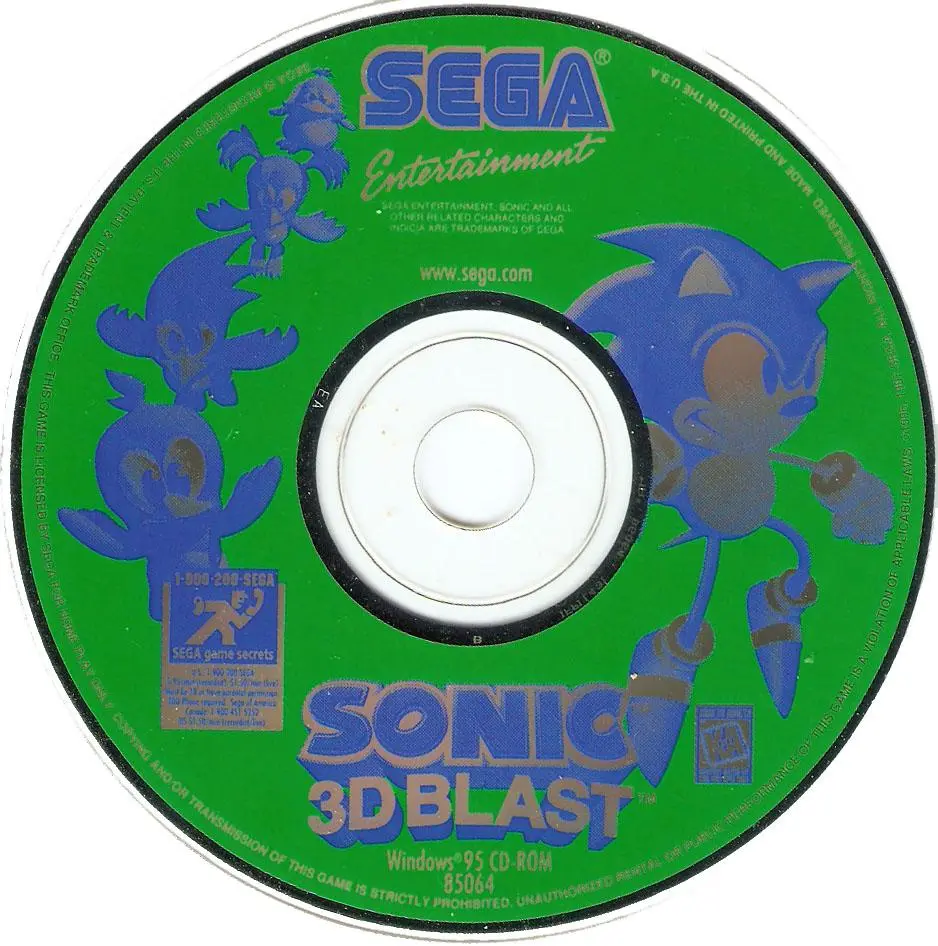
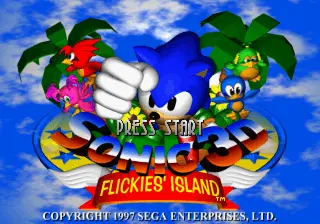
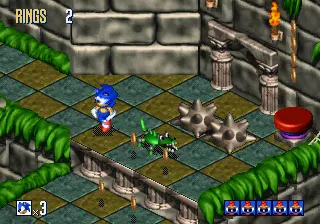
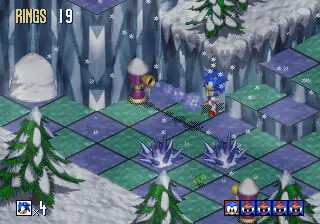
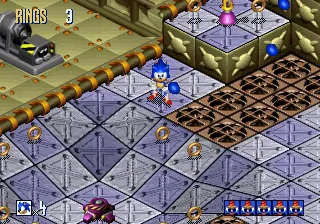
Mega Drive / Saturn / PC1996Traveller’s Tales / Sonic TeamIsometric platformer
Sonic 3D Blast (1996)
Robotnik has found a flock of magic birds and stuffed them inside his robots. Sonic’s farewell to the Mega Drive swaps the side view for an isometric island, rescue missions and pre-rendered 3D, then turns up on the Saturn in its best clothes.
ReleasedNov 1996 (Genesis, US and Europe) · Saturn Nov 1996 (US), Feb 1997 (Europe), Oct 1999 (Japan)
DeveloperTraveller’s Tales, with Sonic Team
Also known asSonic 3D: Flickies’ Island
ZonesSeven, plus a secret Final Fight
PlayableSonic
A last and a firstThe last Sonic on the Mega Drive, the first on the Saturn
Title
Sonic 3D Blast (North America) Sonic 3D: Flickies’ Island (Europe and Japan); Japanese: ソニック3D フリッキーアイランド Working title Sonic Spindrift
Platforms
Sega Mega Drive / Genesis; Sega Saturn; PC (Windows)
Developer
Traveller’s Tales, with Sonic Team (game, level and character design; the Saturn Special Stage)
Publisher
Sega (Sega PC for the European PC release)
Producers
Kats Sato (Sega Europe), with Mike Wallis and Manny Granillo (Sega of America); senior producer Yutaka Sugano
Lead programmer
Jon Burton (Traveller’s Tales)
Head designer
Takao Miyoshi; playfield design with Hirokazu Yasuhara
Music
Mega Drive: Jun Senoue, Tatsuyuki Maeda, Masaru Setsumaru, Seirou Okamoto. Saturn and PC: Richard Jacques
Players
1
Mega Drive / Genesis
North America 7 November 1996 (Sega Retro gives 8 November; US$59.99); Europe 14 November 1996; Brazil December 1996
Sega Saturn
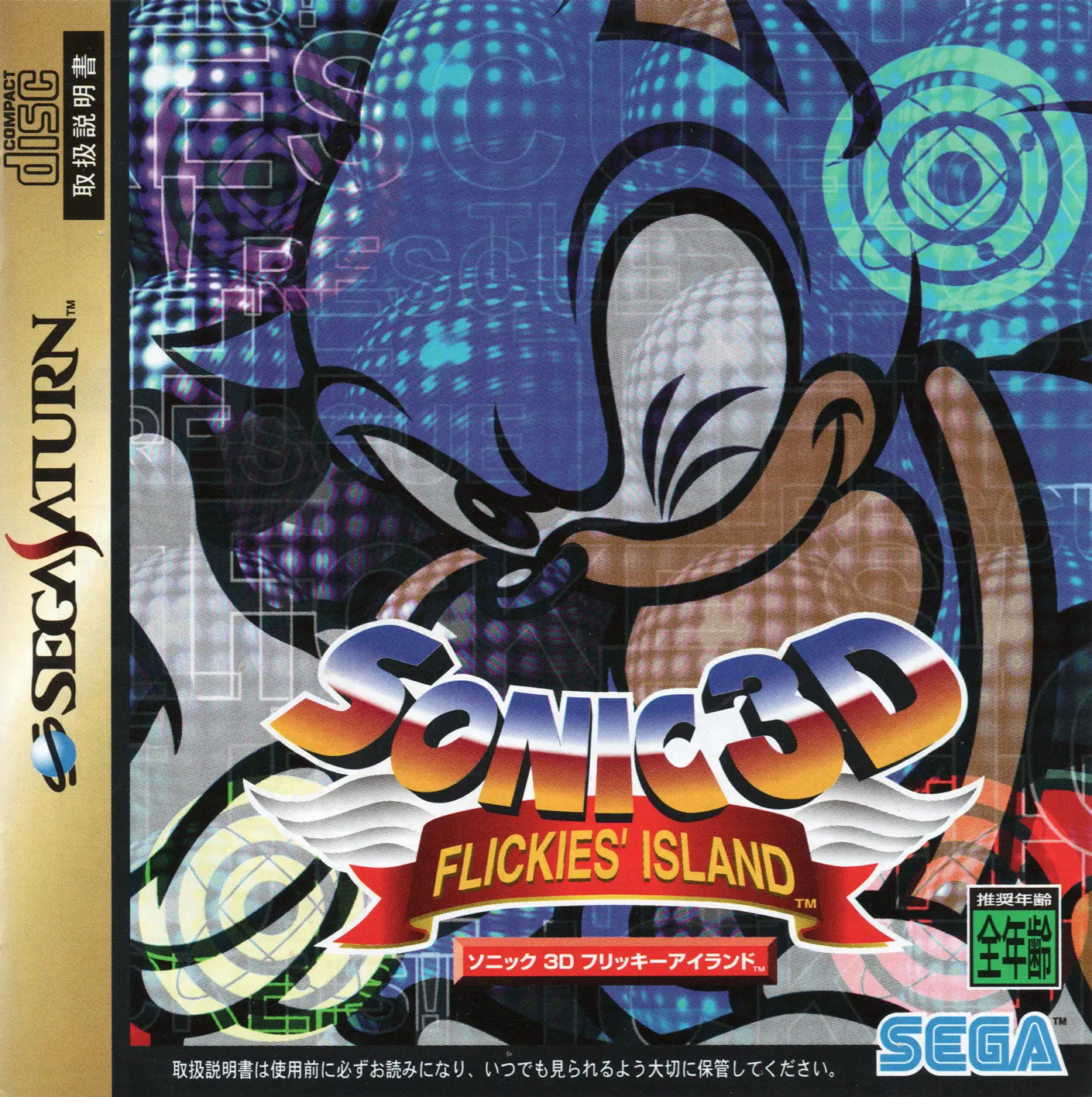
North America 20 November 1996; UK 13 February 1997 (£44.99); Japan 14 October 1999 (¥3,800)
PC
September 1997 in North America and Europe (Europe: 25 September)
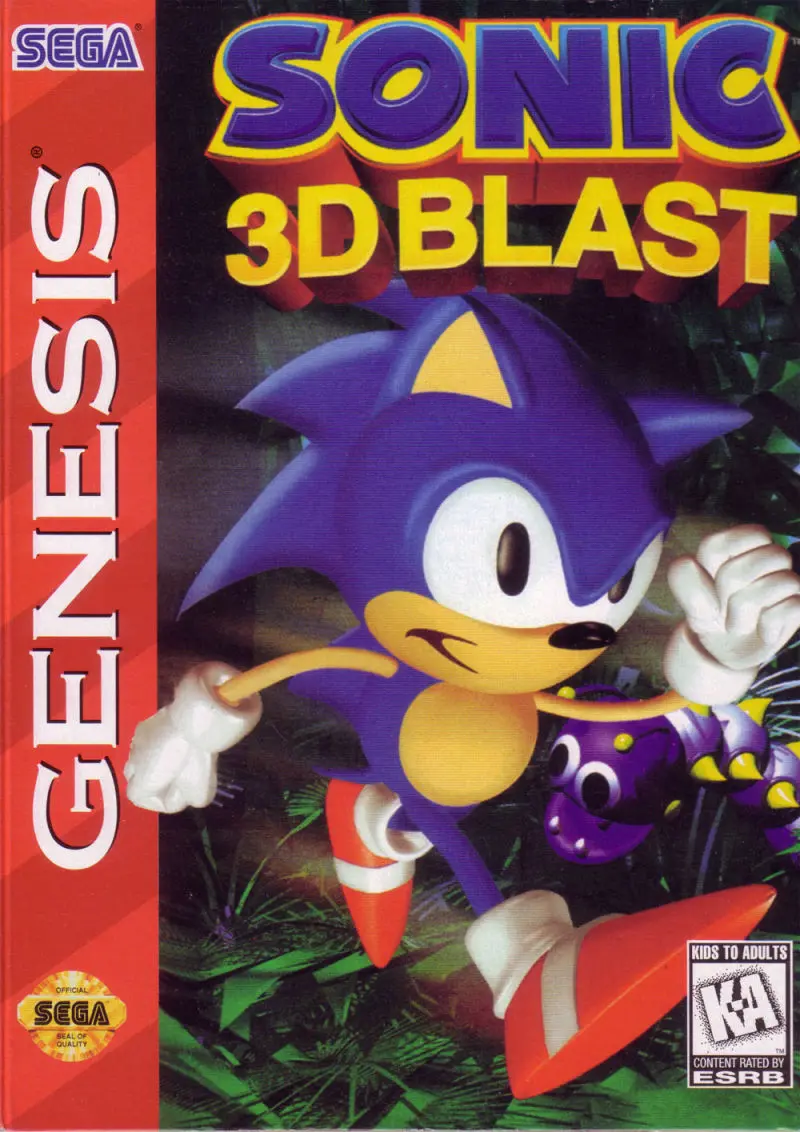
Sonic 3D Blast is the game that tried to drag Sonic into the 3D age on a 16-bit machine. Released in November 1996, as Sega was winding down the Mega Drive, it tips the camera to a 45-degree isometric angle and fills the screen with characters built in 3D and squashed into sprites. Europe and Japan know it as Sonic 3D: Flickies’ Island.
It is a Sonic game with a twist borrowed from Sega’s 1984 arcade game Flicky. Each act asks you to smash Badniks, collect the little birds trapped inside and lead five at a time to a giant ring, rather than simply reach a signpost. Sonic still spins, Spin Dashes, collects rings and grabs shields, and a new Gold Shield gives him an early version of the homing attack.
Most of the work was done in Britain by Traveller’s Tales, with Sonic Team supplying the designs. When the Saturn’s own Sonic game, Sonic X-treme, fell apart, Sega had the studio port 3D Blast to the Saturn in seven weeks, with a new soundtrack by Richard Jacques and a polygon Special Stage made by Sonic Team. Reviewers loved the Mega Drive game in 1996; time has been less kind, and it remains one of the most argued-over games in the series.
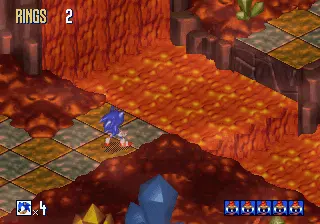
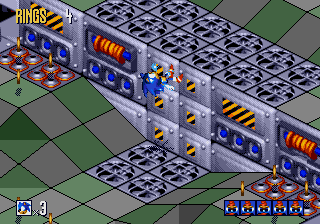
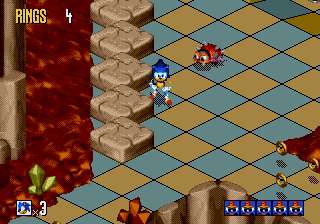
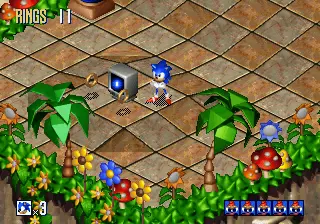
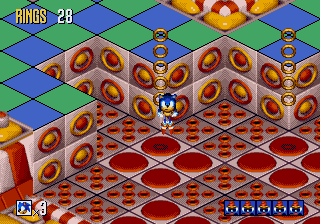
Green Grove, the first zone (Saturn).Spring Stadium on the Mega Drive.The Saturn’s half-pipe Special Stage.
Sega’s 16-bit pioneer system makes the move to the third dimension
Sega of America’s launch announcement sold the game on its rendered graphics and the new Blast Attack, promised seven zones of three acts each with cameos from Tails and Knuckles, and sent Sonic to the mysterious Flicky Island to find the birds that unlock the Chaos Emeralds before Robotnik does. It gave the price as US$59.99, for the Genesis and the handheld Nomad.
— Official description: Sega of America press release, 12 November 1996 (Business Wire), as archived by Sega Retro. One line quoted; the rest summarised.
Quick Answers
The short answers, with the detail further down the page.
Is Sonic 3D Blast the same game as Sonic 3D: Flickies’ Island?
Yes. North America got Sonic 3D Blast; Europe and Japan got Flickies’ Island. The Mega Drive cartridge is identical everywhere and simply picks its title from the console’s region. More →
When did it come out?
On the Genesis in North America on 7 November 1996 and in Europe a week later. The Saturn version followed in the US on 20 November 1996, in Europe in February 1997 and in Japan in October 1999. A PC port arrived in September 1997. More →
Who made it?
Traveller’s Tales, a British studio, programmed it from designs by Sonic Team, whose own staff were busy with Nights into Dreams. Jon Burton led the programming. More →
What do you actually do?
Break open Badniks to free the Flickies inside, then lead five of them to the giant Dimension Ring to open the way forward. Each zone has two Flicky-rescue acts and a boss act. More →
How do you reach the Special Stages?
Find Tails or Knuckles hiding in an act and hand over 50 rings. Each act from Green Grove to Volcano Valley hides one of each. More →
Is there a good ending?
Yes. Collect all seven Chaos Emeralds and, after Panic Puppet, you unlock the Final Fight against Robotnik’s last robot and the true ending. Without them, Robotnik gets away. More →
Which version is best?
The Saturn version has richer graphics, weather effects, a 3D Special Stage and Richard Jacques’ CD soundtrack; the Mega Drive version has the original Jun Senoue and Tatsuyuki Maeda music. The PC port is the only one that can save your game. More →
Is there a level select?
On the Mega Drive, enter B, A, Right, A, C, Up, Down, A (BARACUDA) on the title screen. Beating the game, or crashing it, also opens one. More →
Can I play it today?
Yes: on Steam, in Sonic Mega Collection Plus, Sonic’s Ultimate Genesis Collection and Sega Genesis Classics, and on the Sega Genesis Mini 2. Every re-release uses the Mega Drive version. More →
Plot / Story
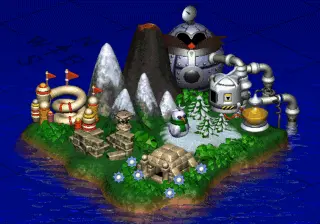
Flicky Island, as seen between zones in the Saturn version.Image via Sonic Retro
Somewhere out at sea lies Flicky Island, home of the Flickies, small birds that legend links to the Chaos Emeralds. That is more than enough to bring Dr. Robotnik sniffing around. While spying on the island he watches a flock of Flickies appear from a giant ring hanging in mid-air, perch for a moment and fly back through it. The birds, he realises, come from another dimension, and the Dimension Rings let them travel wherever they please.
Robotnik’s plan writes itself. He rounds up the Flickies and seals them inside his robots as living batteries, hoping their ring-hopping powers will lead him to the Emeralds. Sonic, who happens to be holidaying on the island, needs only one swipe at a Badnik in Green Grove to see a bird burst out of it and work out who is behind this. So begins the rescue: smash the robots, gather the birds, send them home through the rings and get to the Emeralds first.
The Flicky rescue
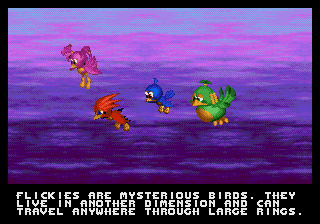
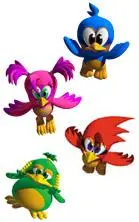
The four breeds of Flicky.
Every act from Green Grove to Gene Gadget is split into two or three sections. Each needs five Flickies, freed from Badniks and then touched so they fall in behind Sonic like a conga line. Take a hit without a shield and the whole line scatters, so the game becomes a careful dance of herding birds through spikes and enemy fire.
Not every bird is grateful. There are four kinds, and their colour tells you how much chasing to expect (the full line-up is in the Characters table below). Points reward patience: each Flicky in a delivery is worth double the one before, up to 1,600 for the fifth, and every section where all five went through the ring together adds 5,000 to your end-of-act bonus.
Tails, Knuckles and the Special Stages
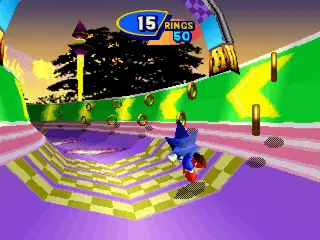
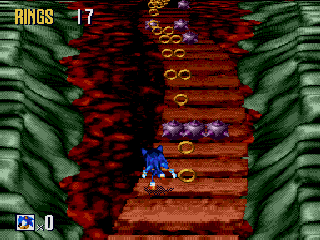
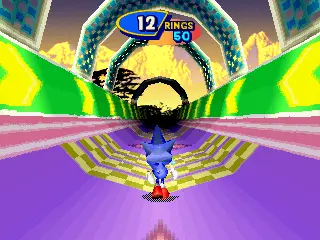
Sonic’s friends are not playable here. Tails and Knuckles hide in every act from Green Grove to Volcano Valley, one of each, idling in a corner or a secret room. Bring them 50 rings and they send Sonic to a Special Stage, where he runs down a track collecting rings to pass each checkpoint and win a Chaos Emerald. On the Mega Drive it is a simple run along a metal walkway; on the Saturn it is a full 3D half-pipe in the spirit of Sonic 2.
The Mega Drive Special Stage.The Saturn Special Stage.
Two endings
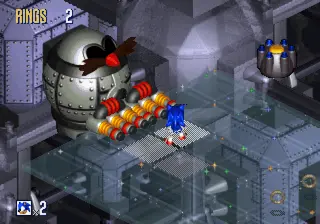
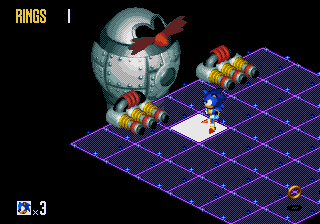
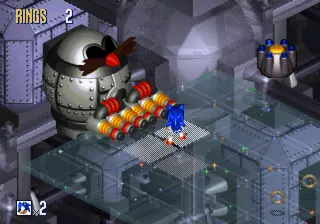
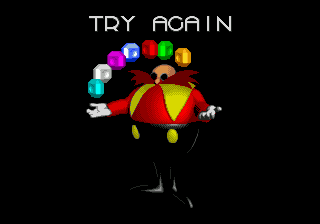
After Panic Puppet the game checks your Emeralds. Without all seven he escapes with one and the credits roll on a Try Again screen. With all seven Sonic follows him into a black void for the Final Fight, a ten-hit battle against a huge multi-weapon robot. Knock out its weapons one by one and the doctor is finished, and every Flicky can finally go home.
The Final Fight.The bad ending.
Zones in Sonic 3D Blast
Seven zones, each with two Flicky-rescue acts and a boss act, then a secret eighth for Emerald collectors. The pictures are from the Saturn version.
Green Grove ZoneActs 1–3Where the rescue begins. Its Mega Drive music later turned up, rearranged, in part of Sonic Adventure’s Windy Valley.
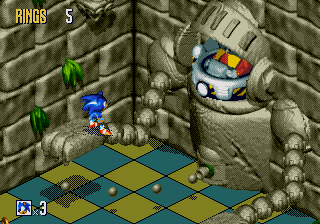
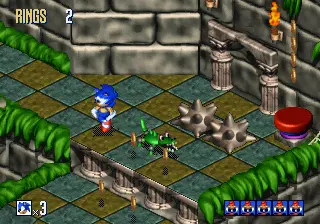
Rusty Ruin ZoneActs 1–3Ancient ruins; the Saturn version adds fog and rain.
Spring Stadium ZoneActs 1–3The third zone, named for its springs.
Diamond Dust ZoneActs 1–3The snow zone, home of the Snowman Badniks that need two hits.
Volcano Valley ZoneActs 1–3The fire zone, where pink Flickies turn orange on the Mega Drive.
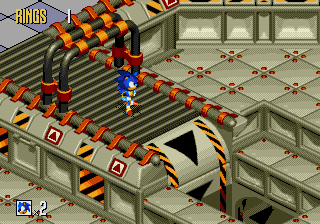
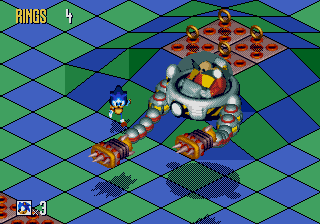
Gene Gadget ZoneActs 1–3The sixth zone and the last full Flicky hunt.
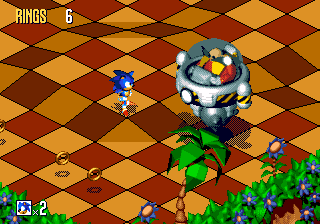
Panic Puppet ZoneActs 1–3The last regular zone, and the toughest. One of its acts has no Flickies to rescue at all, which no other act outside the boss fights can say.
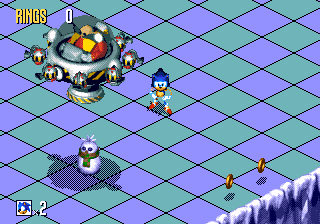
The Final FightSecret · one actAll seven Emeralds only. A single arena that opens up as Robotnik’s last robot falls apart.
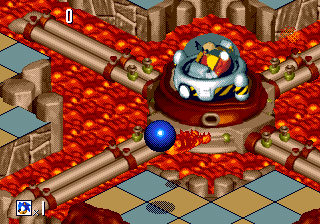
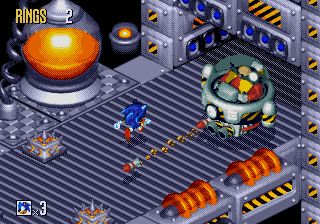
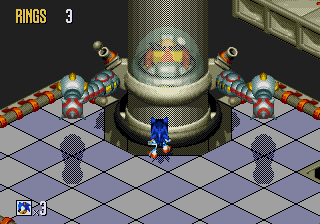
Bosses wait in every Act 3, and Robotnik is worth 1,000 points a time, 2,000 in Panic Puppet and 3,000 in the Final Fight.
Sonic Blast (Archie Comics)US comic · December 1996A 48-page special written by Mike Gallagher. The Knothole Freedom Fighters intercept Robotnik’s plan for FLiCKiE Island, and Sonic, Tails and Rotor discover that sea water turns the robot birds back to normal.
Sonic the Comic #104–106Fleetway, UK · May–July 1997A loose adaptation woven into the comic’s own story: Tails finds a frightened Flicky, the pair uncover Robotnik’s new hideout, and a stranger from the Drakon Empire arrives asking who opened the Dimensional Ring.
Tails’ 30th Anniversary SpecialIDW Publishing · 2022A one-shot that works as a spiritual sequel to 3D Blast and Tails’ Skypatrol: Witchcart has taken over Flicky Island and Tails teams up with the Flickies to save Sonic.
Flicky (1984)Sega arcade gameThe game 3D Blast is built around. Leading a trail of chicks home is exactly what Flicky asked of its little blue bird, twelve years earlier.
Sonic 3D Blast! Survival GuideUS strategy book · 1996A 1996 strategy guide for the Saturn and Genesis versions.
Characters
Only Sonic is playable, but his friends and a whole flock of Flickies make it a crowded island.
Character
Who they are
In this game
Stats & abilities
Sonic the HedgehogPlayable hero
Sega’s blue hero, five years into his career and leaving the Mega Drive for the last time.
Visits Flicky Island just as Robotnik moves in, and sets about freeing the birds and finding the Emeralds.
Spin attack, Spin Dash (B) and roll
Moves in eight directions
Blast Attack: jump twice with the Gold Shield to home in on a Badnik
Starts with four lives; ten Sonic Medals earn a continue
Miles “Tails” ProwerSpecial Stage gatekeeper
Sonic’s two-tailed best friend.
Hides once in each act from Green Grove to Volcano Valley. Give him 50 rings and he sends Sonic to a Special Stage.
Not playable. In Sonic the Comic’s version of the story it is Tails who spots a Flicky in distress.
Knuckles the EchidnaSpecial Stage gatekeeper
Guardian of Angel Island, on friendly terms with Sonic after Sonic & Knuckles.
Does the same job as Tails, with his own hiding place in each act.
Not playable. Find both him and Tails in an act on the Mega Drive and you can win two Emeralds there.
Dr. RobotnikDr. Eggman in Japan · the villain
Sonic’s arch-enemy, still chasing the Chaos Emeralds.
Turns the Flickies into power cells for his Badniks and guards every zone with a new machine.
A boss in every Act 3
A ten-hit robot in the Final Fight
Escapes with an Emerald in the bad ending
Blue FlickyThe friendly one
The classic Flicky, star of the 1984 arcade game and Sonic’s animal friend since Sonic 1.
The most common bird on the island.
Seeks Sonic out; circles in tight loops when it cannot find him.
Pink FlickyThe wanderer
A rosier relative.
Behaves like the blue Flicky, but over a wider area.
Circles in big loops when lost; appears orange in the Mega Drive’s Volcano Valley.
Red FlickyThe jumper
The most energetic of the four.
Ignores Sonic and hops between two points.
Short range but very high jumps, which makes it hard to grab.
Green FlickyThe awkward one
The bird nobody wants to chase.
Wanders at random and sometimes seems to dodge Sonic on purpose.
The slowest to round up; a shield is worth having when you finally catch it.
Badniks
Every Badnik on the island has a Flicky inside. These are the names Sonic Retro uses, zone by zone, with the points each is worth.
ScouterGreen GroveWorth 100 points.
HunterGreen GroveWorth 200 points.
SnakeGreen GroveWorth 500 points.
CrockRusty RuinWorth 100 points.
BeeRusty RuinWorth 100 points.
DragflySpring StadiumWorth 100 points.
SpiderSpring StadiumWorth 100 points.
ShellSpring StadiumWorth 100 points.
FishSpring StadiumWorth 100 points.
SnowmanDiamond DustFreezes on the first hit, frees its Flicky on the second.
BunnyDiamond DustWorth 100 points.
PengoDiamond DustWorth 100 points.
BugVolcano ValleyWorth 100 points.
FireflyVolcano ValleyWorth 100 points.
BatVolcano ValleyWorth 100 points.
ScorpyVolcano ValleyWorth 100 points.
OctopusGene GadgetWorth 100 points.
MouseGene GadgetWorth 100 points.
WalkerPanic PuppetWorth 100 points.
WhirlPanic PuppetWorth 100 points.
The people who made it
From the in-game credits, as listed by Sega Retro.
Jon BurtonProgram design · Traveller’s TalesFounder of Traveller’s Tales and lead programmer; years later he released his own Director’s Cut.
James CunliffeHead artist · Traveller’s TalesLed the art and the 3D models behind the pre-rendered sprites.
Takao MiyoshiHead designer · SegaHead designer, and with Hirokazu Yasuhara designed the playfields.
Kats SatoProducer · Sega EuropeProduced every version and shares the concept credit.
Takashi IizukaConcept · Sonic TeamShares the concept credit, and is one of the three Sonic Team designers, with Hirokazu Yasuhara and Takao Miyoshi, whom Sonic Retro credits with the game design and level maps; he went on to direct Sonic Adventure.
Jun Senoue, Tatsuyuki MaedaMega Drive musicWrote most of the Mega Drive score, with Masaru Setsumaru and Seirou Okamoto.
Richard JacquesSaturn and PC musicScored the CD versions at Sega Europe’s Digital Studio, including the vocal ending theme.
Mike WallisProducer · Sega of AmericaOne of the Sega of America producers, and the source of the sales figures quoted below.
How it was made
Our original page had no history section. This one combines Sonic Retro’s development page (the request from Sega’s Western offices, the working titles, the demo tape and the dropped ideas), Wikipedia’s cited history and Sega Retro’s credits.
A Mega Drive game nobody expected
With the Saturn struggling in Western shops, Sega’s American and European offices asked for one more 16-bit Sonic for the Mega Drive. Sega of Japan gave the job to Traveller’s Tales, the British studio behind the Toy Story game and Mickey Mania. Jon Burton’s team first said no, wanting to move on to the PlayStation and Saturn, and changed its mind only when Sega told it the game was the next Sonic.
The idea itself was Sonic Team’s, dating back to its work on Sonic 3, but Sonic Team was tied up with Nights into Dreams. So the work was split: Hirokazu Yasuhara, Takashi Iizuka and Takao Miyoshi supplied the game design and level maps from Japan, Burton wrote most of the code and James Cunliffe led the art. Work started from scratch in 1995, in July by Wikipedia’s account (which gives it eight months) and late in the year by Sonic Retro’s; the game was called Sonic Spindrift at first and Sonic Blast by the time it was shown at E3 in 1996. Burton has said he suspected Sega was hedging its bets while Sonic X-treme struggled.
Squeezing 3D into a cartridge
Sonic as a pre-rendered 3D model.
The isometric viewpoint borrowed from Sonic Labyrinth and Super Mario RPG, and the rendered look from Donkey Kong Country. Characters and scenery were modelled in SoftImage on Silicon Graphics workstations and converted into sprites, and Burton crammed a full-motion video intro into the four-megabyte cartridge with his own compression, keeping it secret from Sega until two weeks before the game was due to be finished.
Not everything made it. A split-screen two-player mode got as far as a prototype that Burton has shown, but the angled view made it too hard to see what was coming. Burton also built in a safety net that players still trip over: a fatal error sends the game to a hidden level select instead of crashing, which helped it through Sega’s testing.
The demo tape
Around May 1996 Jun Senoue posted Burton a cassette labelled Sonic 3D Demo Takes #1, synthesiser demos to be converted for the Mega Drive if approved. Green Grove was still Green Alley on the tape and Spring Stadium was Casino Night. Some tracks never made it in: a boss theme Burton did not like turned up years later in Sonic 4: Episode I, and a bonus-stage tune cut for space became the Pleasure Castle music in Sonic Adventure’s Twinkle Park. Burton later shared the recordings on his GameHut channel.
The Saturn stand-in
Volcano Valley on the Saturn.
Sega also wanted a Saturn version, as insurance in case X-treme failed, and when X-treme was cancelled 3D Blast filled the Christmas 1996 slot. The port took seven weeks and runs the Mega Drive game’s own code, converted to C, with the extra effects layered on top: richer graphics, fog and rain in Rusty Ruin, a better video intro and support for the 3D Control Pad.
The polygon Special Stage, a half-pipe in the style of Sonic 2, came from Sonic Team; developer Neil Harding has said it was lifted from an early version of Sonic Jam. A mini-game called Sonic Pool was considered and dropped, an attempt to reuse X-treme’s leftovers as bonus stages failed because Sonic’s model would not carry over, and Richard Jacques replaced the music with CD audio, ending with You’re My Hero, sung by Debbie Morris.
The PC version
A Windows version of the Saturn game followed in September 1997. It lost the fog and some Special Stage detail, but it is the only version that saves your progress, and it hides an undocumented settings menu and a typed cheat code.
Firsts: what this game introduced
Last and first: what 3D Blast added to the series.
1Sonic’s last Mega Drive gameThe final Sonic platformer for the Mega Drive, made as a send-off for the console.
2Sonic’s first Saturn gameWith X-treme cancelled, the Saturn port became Sonic’s first starring role on the console.
3A homing attack, almostThe Gold Shield’s Blast Attack lets Sonic lock on to an enemy, years before the homing attack became standard in Sonic Adventure.
4Sonic MedalsA new collectible: ten of them earn a continue.
5A vocal ending themeThe Saturn version closes with a sung theme, You’re My Hero, which was still a rarity for the series in 1996.
6Friends as gatewaysInstead of Giant Rings, Tails and Knuckles hide in each act and send Sonic to the Special Stage in exchange for 50 rings.
Cheats & secrets
Our original page had no cheats section, so this one is new, checked against Sonic Retro’s hidden-content notes.
Level select and level skip (Mega Drive)
On the title screen press B, A, Right, A, C, Up, Down, A, the letters of BARACUDA, then choose Start. A level select appears, and you can also skip levels during play; skipping a Special Stage still gives you its Emerald. Beating the game once opens the level select too.
Saturn cheat mode
The Saturn version has a pause-menu cheat mode that can skip acts, zones or straight to a boss, add lives and Sonic Medals, and hand over every Emerald. The Japanese release also has its own level select.
PC cheat menu
In the Windows version, type bobandkate during play to add a hidden cheat menu (lives, Emeralds and level skips) to the undocumented settings menu, which opens with M and then Esc.
Codes checked against Sonic Retro, November 2026.
Glitches, exploits and oddities
Some of 3D Blast’s strangest secrets come from the way it handles mistakes.
The secret level select
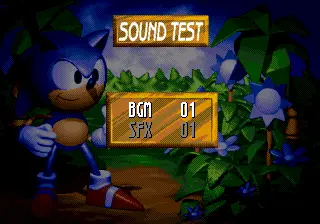
The sound test, one of the menus a level select opens.Screenshot via Sonic Retro
Every error handler in the Mega Drive game points to a hidden screen that announces you have found the secret level select. Knock a running console hard enough, or load another game’s save state in an emulator, and up it pops, playing the Continue music.
The snowman trap
Diamond Dust’s Snowmen take two hits: one to freeze them, one to free the Flicky. Roll into a snowball between the two and Sonic can lose his rings and then a life before he has a chance to recover. It was never fixed.
Endless invincibility music
Enter a Special Stage while invincible and you can come back with the power gone but the invincibility music still playing to the end of the act.
The shortened jingle
The invincibility track stored on the cartridge is longer than the 18 seconds the game actually plays.
Videos & media
A full run of the Mega Drive original, and a look at the Director’s Cut from the man who programmed it.
A complete Mega Drive playthrough from the World of Longplays archive.
Trailer for Sonic 3D Blast DX, the fan update later renamed the Director’s Cut, from GameHut, the channel of lead programmer Jon Burton.
Trivia & facts
One cartridge, two names: the Mega Drive game reads the console’s region and calls itself Flickies’ Island on PAL machines and 3D Blast everywhere else. The Japanese Saturn release uses the European title.
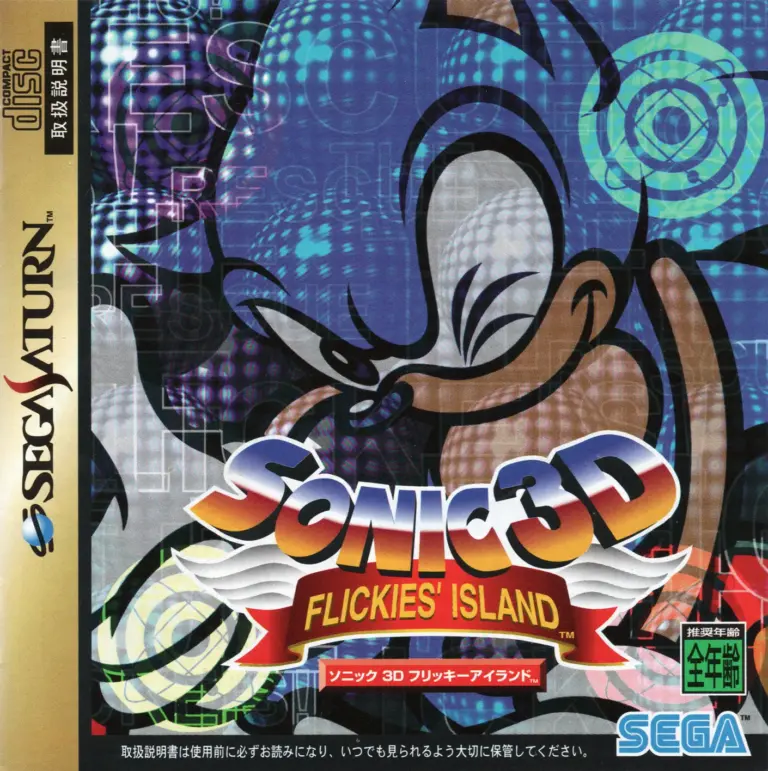
The Japanese Saturn box.Image via Sonic RetroIt reached Japan only at the very end of the Saturn’s life, in October 1999, as Sega’s last first-party Saturn release there; Sonic Adventure International came out that very day.
Jun Senoue rearranged two of his Mega Drive tracks for Sonic Adventure because the Mega Drive game had never been sold in Japan, and an unused boss tune from the cartridge became the boss theme of Sonic the Hedgehog 4: Episode I.
Sega’s launch press release promised seven zones of three acts. The Final Fight, the eighth, was kept quiet.
The Genesis game launched alongside the Game Gear’s Sonic Blast, which also used pre-rendered graphics.
Electronic Gaming Monthly’s Genesis Game of the Year went to Vectorman 2, with 3D Blast in second place.
Media & artwork
Box art, artwork and screenshots from Sonic Scene’s own galleries and Sonic Retro. Select any image to view it larger.
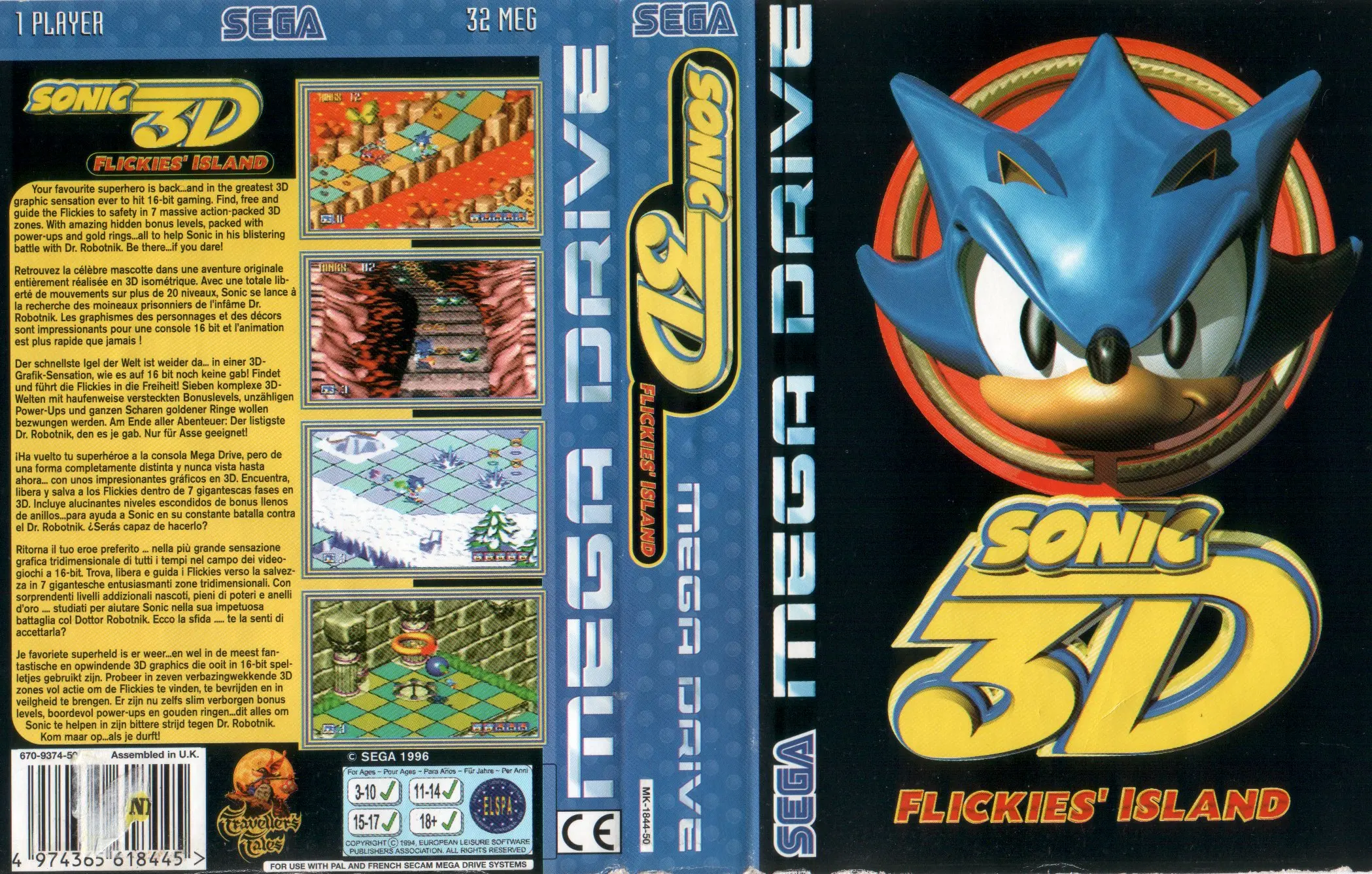
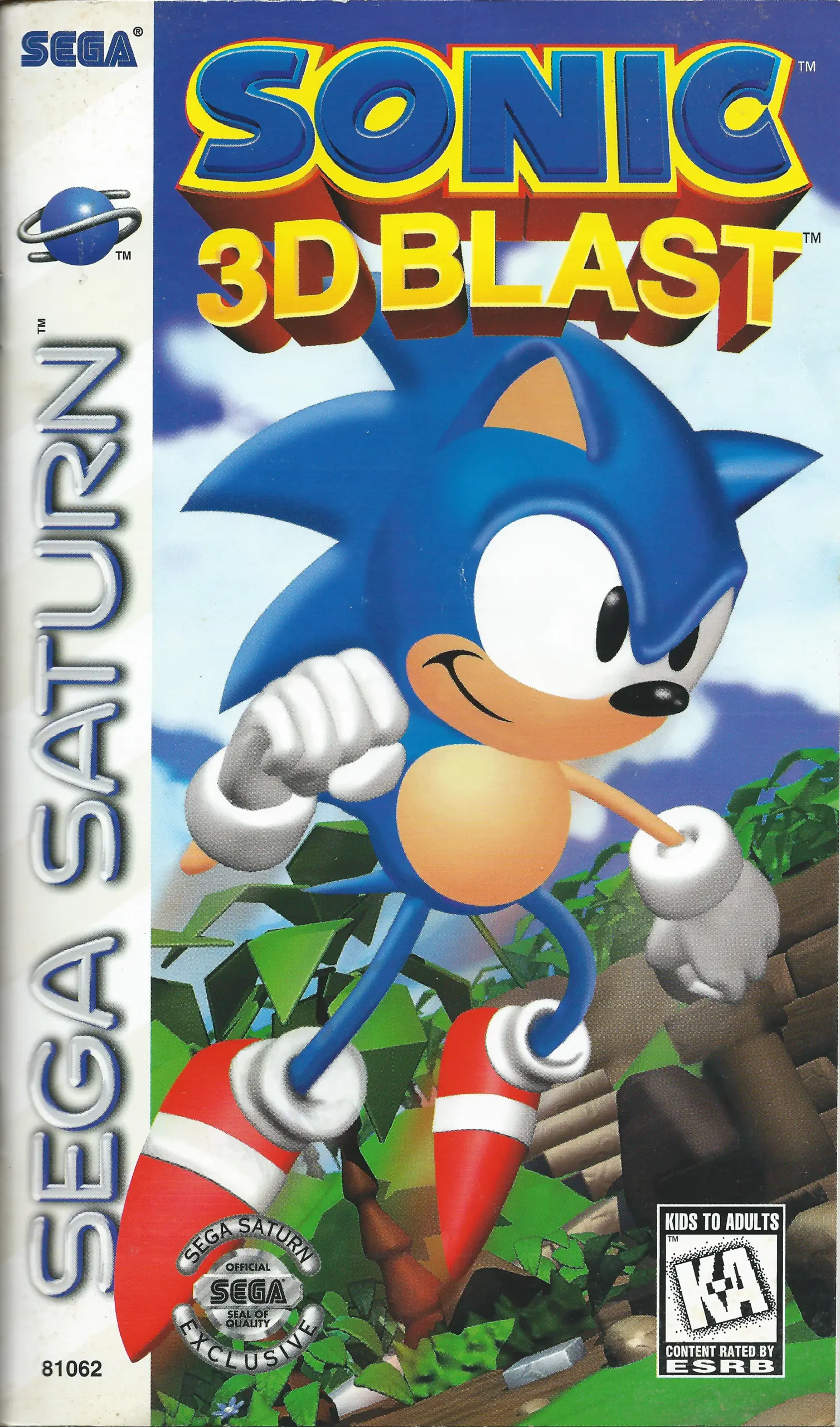
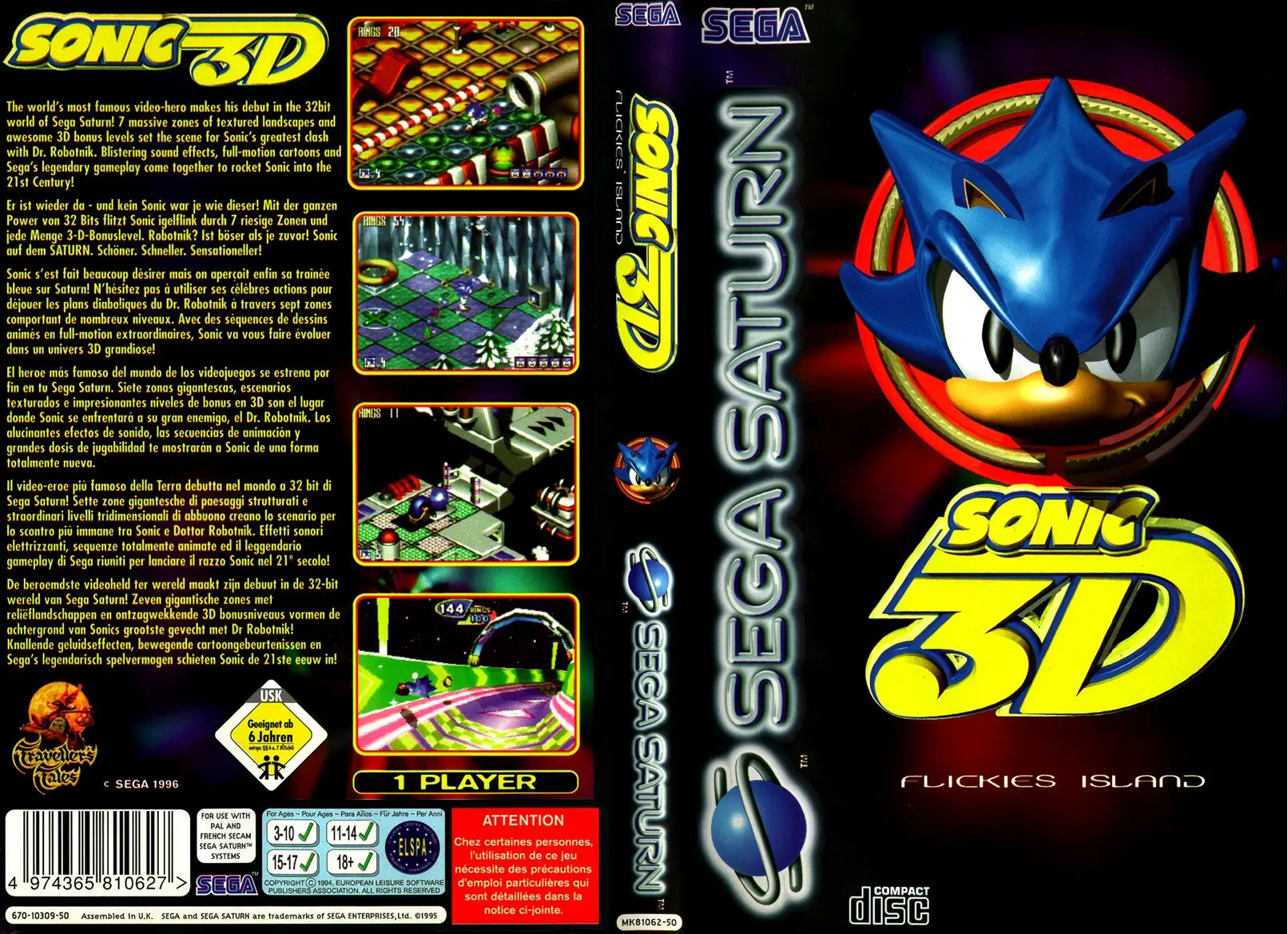
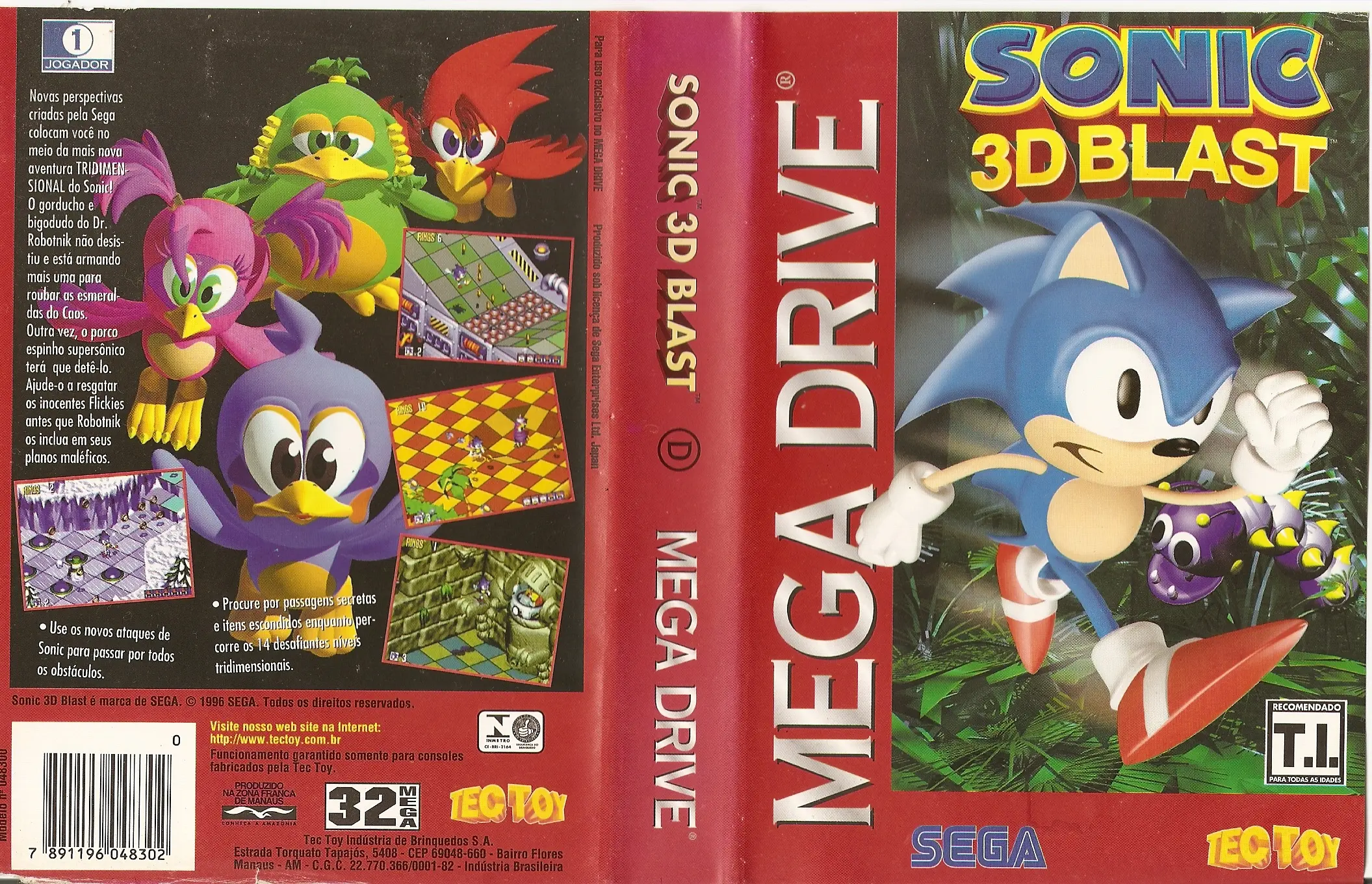
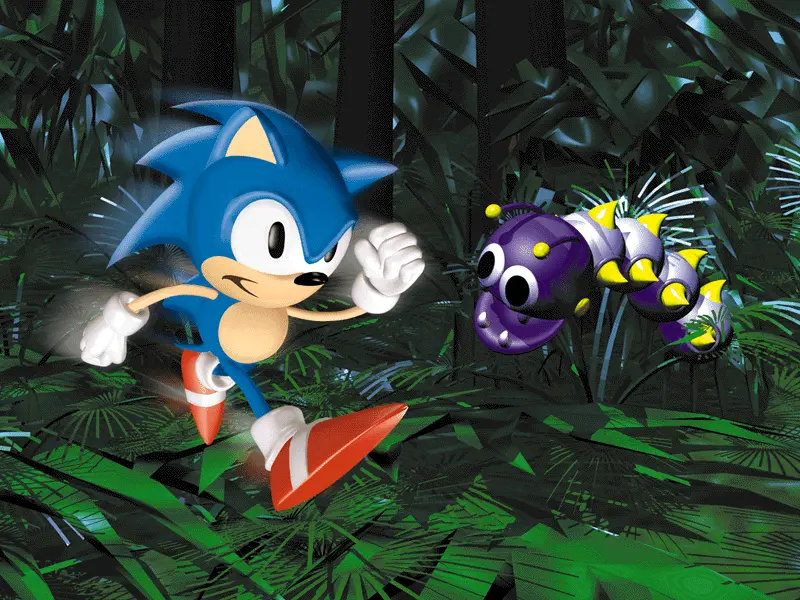
North American Genesis box.European Mega Drive box.North American Saturn box.European Saturn box.Brazilian Mega Drive cover.Genesis cartridge.North American PC box.PC jewel case.PC disc.Sonic 3D Blast logo.Flickies’ Island logo.Japanese logo.Sonic artwork.Sonic artwork.Saturn version artwork.Official US wallpaper.The four Flickies.Saturn title screen.Rusty Ruin, Saturn.Diamond Dust, Saturn.Panic Puppet, Saturn.The Final Fight, Saturn.Gene Gadget, Mega Drive.Volcano Valley, Mega Drive.Panic Puppet, Mega Drive.The Final Fight, Mega Drive.Green Grove boss.Rusty Ruin boss.Spring Stadium boss.Diamond Dust boss.Volcano Valley boss.Gene Gadget boss.Panic Puppet boss.
Sonic 3D Blast closed the Mega Drive era, opened Sonic’s Saturn career and kept Traveller’s Tales working with Sonic Team, who reunited for Sonic R in 1997. The studio went on to the Lego games, which brought Sonic back into its world in Lego Dimensions.
Releases and re-releases
Genesis (North America)7 November 1996 – US$59.99. Europe followed on 14 November.
Saturn (North America)20 November 1996 – The X-treme stand-in, in time for Christmas.
Saturn (Europe)February 1997 – UK release 13 February at £44.99.
PCSeptember 1997 – The only version with saving; later reissued many times on budget labels.
Saturn (Japan)14 October 1999 – As Sonic 3D: Flickies’ Island, ¥3,800.
Sonic Mega Collection2002–2004 – GameCube, then Mega Collection Plus on PlayStation 2, Xbox and PC; the first time the Mega Drive version reached Japan.
Wii Virtual Console2007 – Japan 16 October, Europe 2 November, North America 19 November.
Sonic’s Ultimate Genesis Collection2009 – PlayStation 3 and Xbox 360.
Steam1 June 2010 – The Mega Drive version, like every re-release.
Sega Genesis Classics2018 – Switch, PlayStation 4 and Xbox One.
Sega Genesis Mini 2October 2022 – Built into the console in North America and Europe.
The Director’s Cut
Twenty-one years on, in 2017, Jon Burton put out his own unofficial Director’s Cut as a patch for the Mega Drive game. It tightens the controls and adds a level editor, password saves, time attack and a Super Sonic transformation.
How it is remembered
Opinion has turned against it. Later critics found the isometric view awkward, the controls slippery and the Flicky hunts slow, and some lists rank it among the weakest Sonic games, though most still praise its graphics and music. Supporters, including 1UP’s Jeremy Parish, have argued it is better than its reputation.
Sales & reviews
Sales
Sega did not publish figures, but Mike Wallis, who produced the game at Sega of America, has said the Genesis version sold more than 700,000 copies, later putting it above a million. He also counted the Saturn version among that console’s better sellers. We have not found audited figures.
700,000+Genesis copies, by Mike Wallis’ account
86%Sega Retro average, Mega Drive (25 reviews)
75%Sega Retro average, Saturn (26 reviews)
71%Sega Retro average, PC (10 reviews)
Reception and review scores
Period scores from Sega Retro’s review index, which links each one to a scan of the original page.
Sonic the ComicUK · 24 December 1996 · Mega Drive
95%
Mean Machines SegaUK · November 1996 · Mega Drive
92%
Sega PowerUK · December 1996 · Mega Drive
92%
GameProUS · December 1996 · Genesis
85%
Game InformerUS · November 1996 · Genesis
78%
Computer and Video GamesUK · November 1996 · Mega Drive
75%
Electronic Gaming MonthlyUS · November 1996 · Genesis
73%
Mean Machines SegaUK · March 1997 · Saturn
90%
GameFanUS · January 1997 · Saturn
86%
Sega Saturn MagazineUK · February 1997 · Saturn
82%
Electronic Gaming MonthlyUS · January 1997 · Saturn
66%
EdgeUK · March 1997 · Saturn
60%
Computer and Video GamesUK · March 1997 · Saturn
50%
Ultimate PCUK · November 1997 · PC
87%
On the Mega Drive it was a hit with critics. Mean Machines Sega welcomed it as a proper Sonic game in its own right, Computer and Video Games called it the first must-have Mega Drive release in years, and almost everyone marvelled at what the old console was doing with colour and rendered graphics. The doubts were about the controls, which GamePro and EGM felt took time to master, and a shortage of secrets compared with earlier Sonics.
The Saturn version split opinion. Sega Saturn Magazine found it more challenging than any Sonic before it, and EGM’s Dan Hsu thought its similarity to the Genesis game was a compliment to the older machine. Others were blunter: Entertainment Weekly felt a game that impressed on 16 bits fell flat next to true 32-bit 3D, and Computer and Video Games and Edge marked it down.
Honours
Electronic Gaming Monthly · 1996Genesis Game of the Year runner-upSecond only to Vectorman 2.
Reader reviews
No reader reviews yet. Played it? Give it a score out of 10 and tell other fans what you think.
Every fact on this page was checked against the sources below. Sonic Retro and Sega Retro pages were read through Wayback Machine copies from late 2023 to 2025, because both live sites show a bot check; each Sonic Retro link opens the nearest archived copy. Magazine scores come from Sega Retro’s review index, which links each score to a scan of the original page.
To provide the best experiences, we use technologies like cookies to store and/or access device information. Consenting to these technologies will allow us to process data such as browsing behavior or unique IDs on this site. Not consenting or withdrawing consent, may adversely affect certain features and functions.
Functional
Always active
The technical storage or access is strictly necessary for the legitimate purpose of enabling the use of a specific service explicitly requested by the subscriber or user, or for the sole purpose of carrying out the transmission of a communication over an electronic communications network.
Preferences
The technical storage or access is necessary for the legitimate purpose of storing preferences that are not requested by the subscriber or user.
Statistics
The technical storage or access that is used exclusively for statistical purposes.The technical storage or access that is used exclusively for anonymous statistical purposes. Without a subpoena, voluntary compliance on the part of your Internet Service Provider, or additional records from a third party, information stored or retrieved for this purpose alone cannot usually be used to identify you.
Marketing
The technical storage or access is required to create user profiles to send advertising, or to track the user on a website or across several websites for similar marketing purposes.


 Rusty Ruin ZoneActs 1–3Ancient ruins; the Saturn version adds fog and rain.
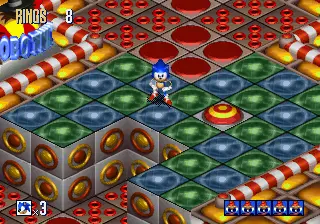 Spring Stadium ZoneActs 1–3The third zone, named for its springs.
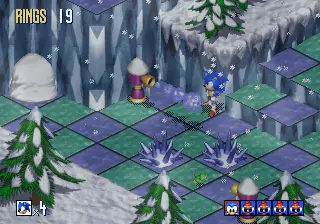 Diamond Dust ZoneActs 1–3The snow zone, home of the Snowman Badniks that need two hits.
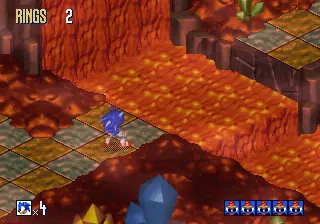 Volcano Valley ZoneActs 1–3The fire zone, where pink Flickies turn orange on the Mega Drive.
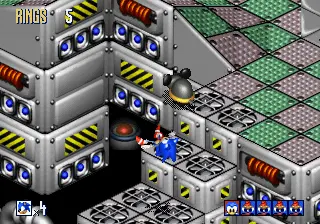 Gene Gadget ZoneActs 1–3The sixth zone and the last full Flicky hunt.
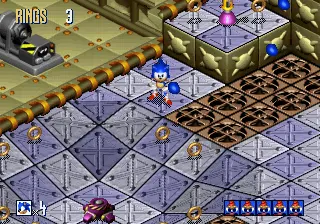 Panic Puppet ZoneActs 1–3The last regular zone, and the toughest. One of its acts has no Flickies to rescue at all, which no other act outside the boss fights can say.
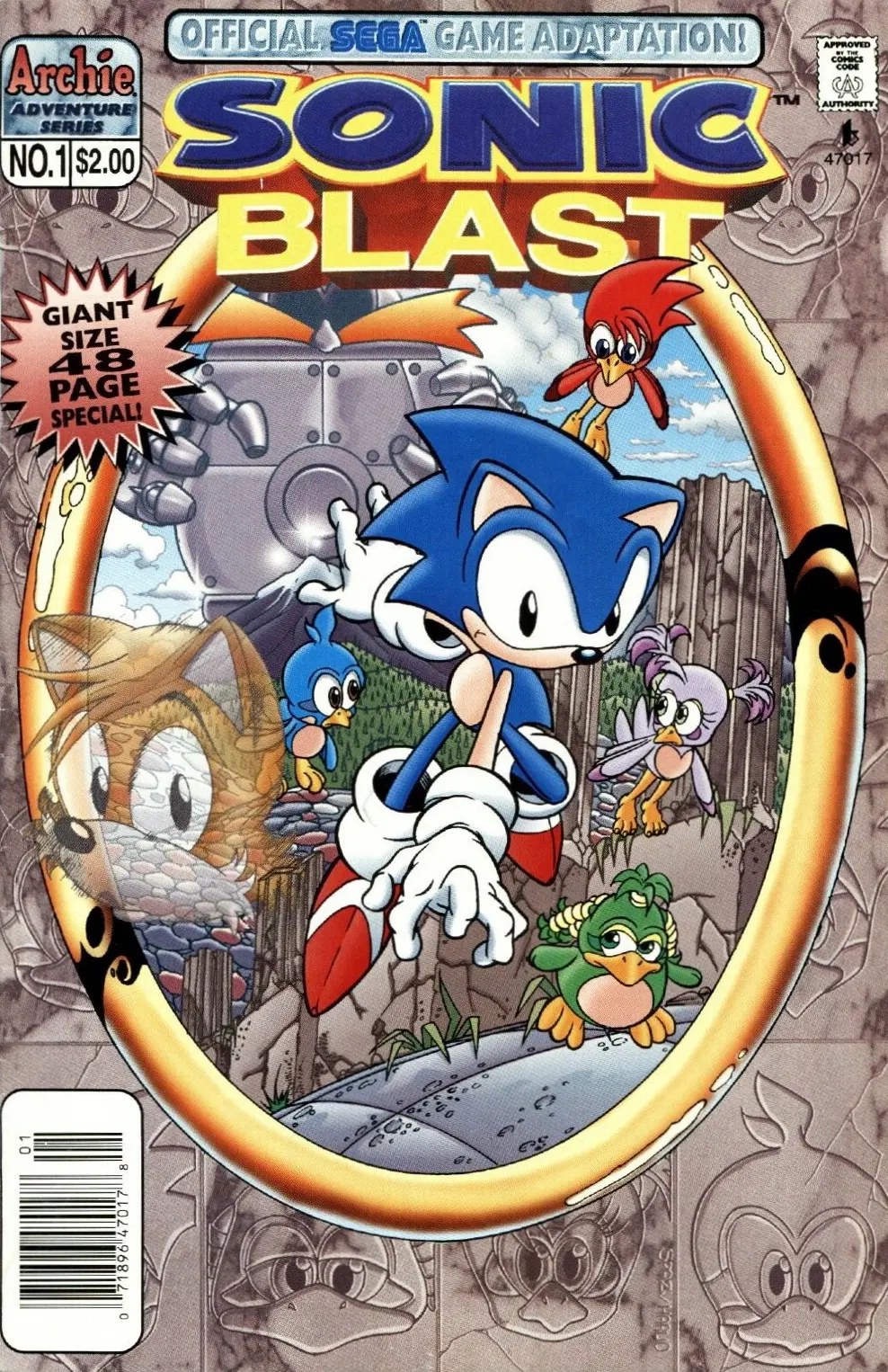 Sonic Blast (Archie Comics)US comic · December 1996A 48-page special written by Mike Gallagher. The Knothole Freedom Fighters intercept Robotnik’s plan for FLiCKiE Island, and Sonic, Tails and Rotor discover that sea water turns the robot birds back to normal.
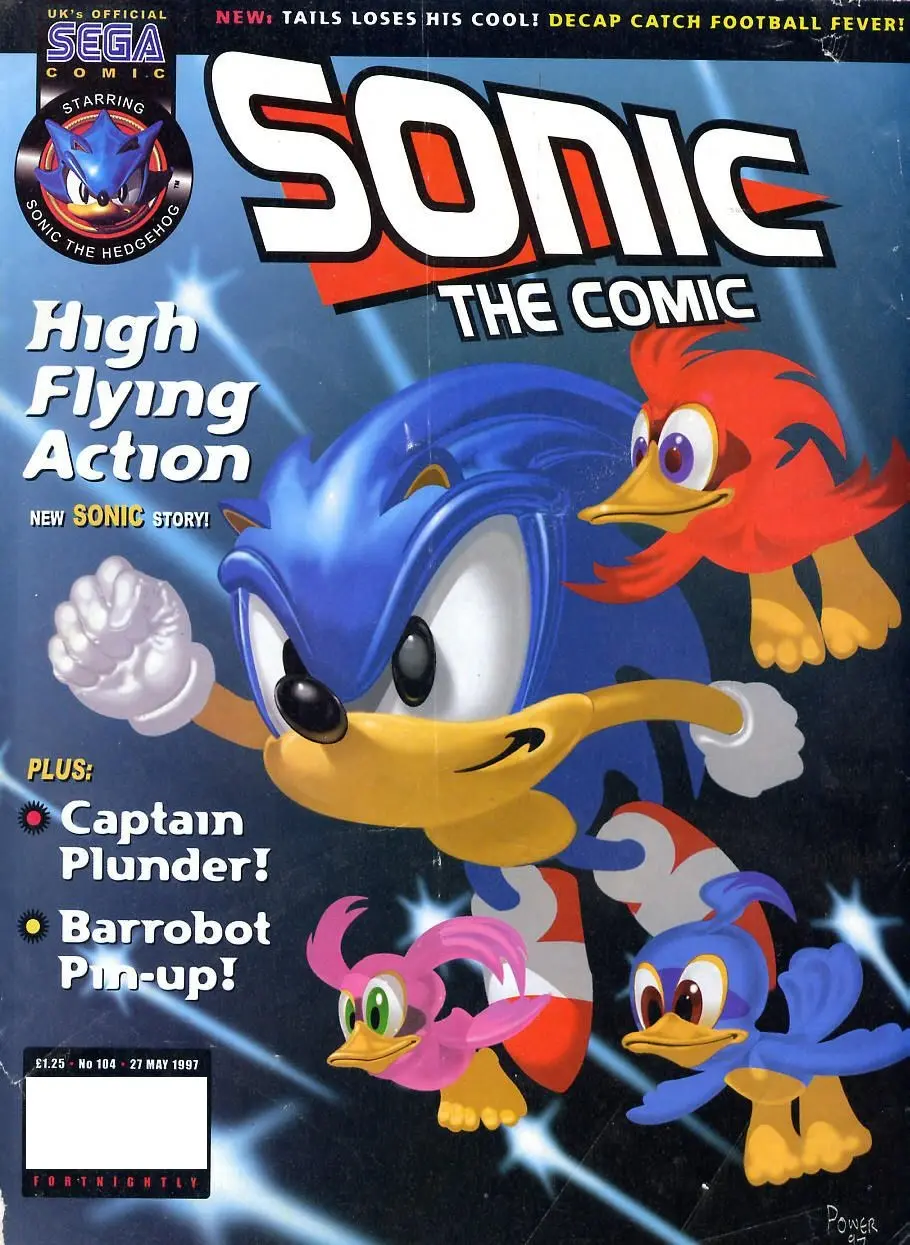 Sonic the Comic #104–106Fleetway, UK · May–July 1997A loose adaptation woven into the comic’s own story: Tails finds a frightened Flicky, the pair uncover Robotnik’s new hideout, and a stranger from the Drakon Empire arrives asking who opened the Dimensional Ring.
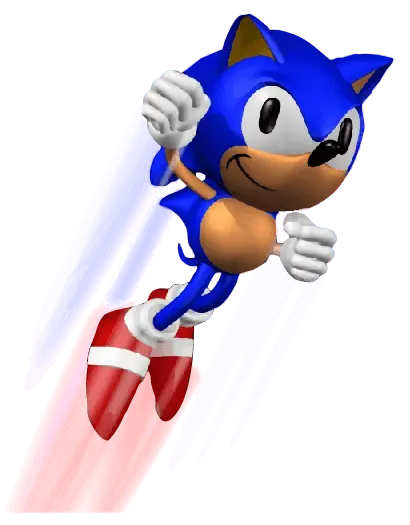 Sonic the HedgehogPlayable hero
 Miles “Tails” ProwerSpecial Stage gatekeeper
 Knuckles the EchidnaSpecial Stage gatekeeper
 Dr. RobotnikDr. Eggman in Japan · the villain
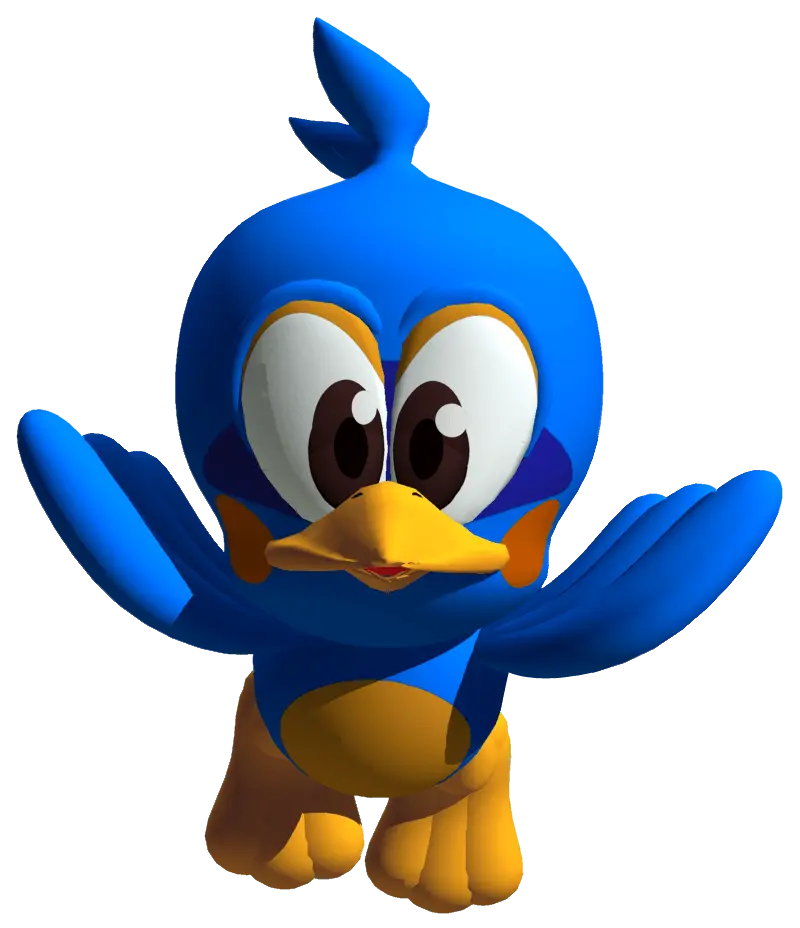 Blue FlickyThe friendly one
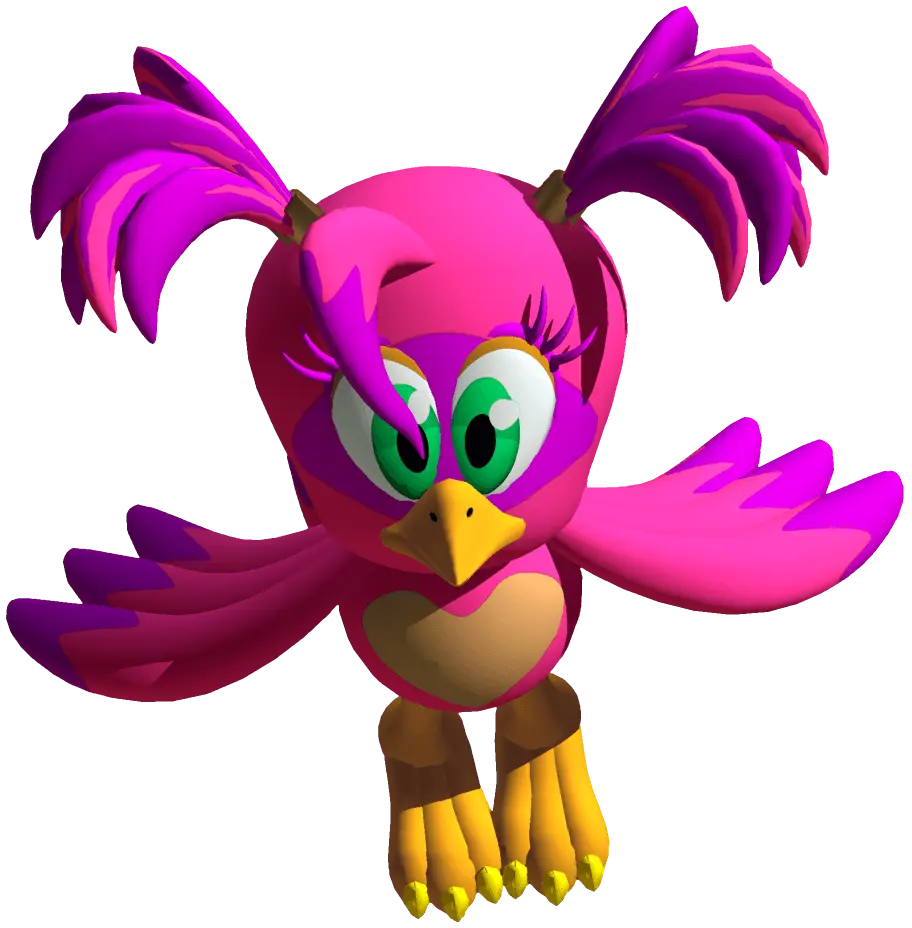 Pink FlickyThe wanderer
 Red FlickyThe jumper
 Green FlickyThe awkward one
 ScouterGreen GroveWorth 100 points.
 HunterGreen GroveWorth 200 points.
 SnakeGreen GroveWorth 500 points.
 CrockRusty RuinWorth 100 points.
 BeeRusty RuinWorth 100 points.
 DragflySpring StadiumWorth 100 points.
 SpiderSpring StadiumWorth 100 points.
 ShellSpring StadiumWorth 100 points.
 FishSpring StadiumWorth 100 points.
 SnowmanDiamond DustFreezes on the first hit, frees its Flicky on the second.
 BunnyDiamond DustWorth 100 points.
 PengoDiamond DustWorth 100 points.
 BugVolcano ValleyWorth 100 points.
 FireflyVolcano ValleyWorth 100 points.
 BatVolcano ValleyWorth 100 points.
 ScorpyVolcano ValleyWorth 100 points.
 OctopusGene GadgetWorth 100 points.
 MouseGene GadgetWorth 100 points.
 WalkerPanic PuppetWorth 100 points.
 WhirlPanic PuppetWorth 100 points.